






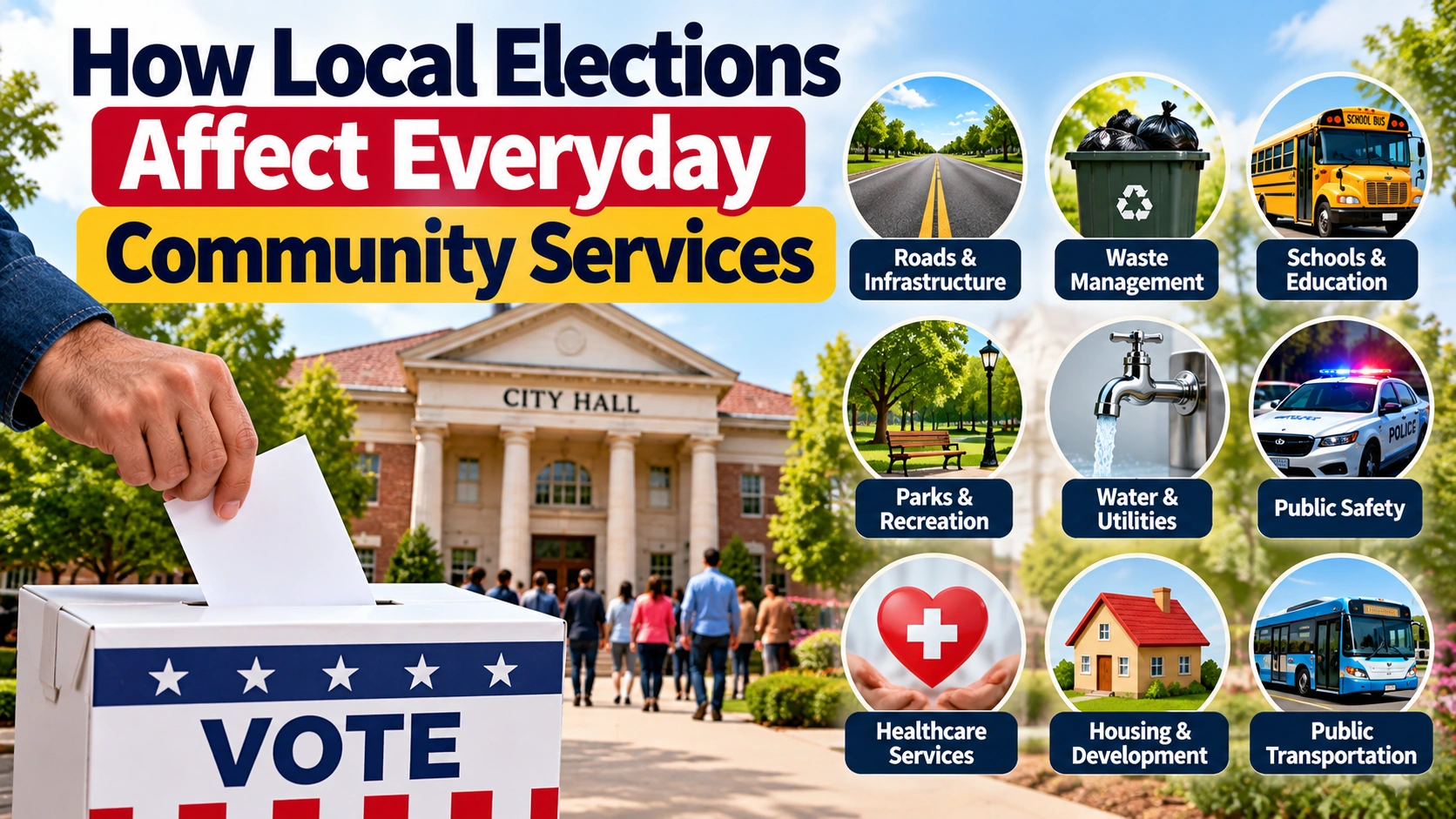
Local elections can have a direct connection to the services people use every day. While national elections often receive more attention, local governments frequently deal with practical matters such as roads, waste collection, water systems, public spaces, planning, and other community services. The exact responsibilities vary by country and local government structure, but local decision-making […]
Local elections can have a direct connection to the services people use every day. While national elections often receive more attention, local governments frequently deal with practical matters such as roads, waste collection, water systems, public spaces, planning, and other community services. The exact responsibilities vary by country and local government structure, but local decision-making can have a noticeable effect on daily life.
What Are Local Elections?
Local elections are elections in which residents choose representatives or officials responsible for governing a particular community, municipality, county, district, or other local area.
The responsibilities of elected local bodies differ between jurisdictions. In some places, local representatives have authority over budgets, land use, zoning, public services, and infrastructure.
Because these decisions are geographically close to residents, local elections can influence issues people encounter in their neighborhoods.
Local Budgets and Public Services
One important connection between elections and community services is the local budget.
Local governments generally have limited financial resources and must determine how available funds are allocated among competing priorities. Depending on the jurisdiction, spending decisions can involve roads, sanitation, parks, public facilities, transportation, drainage, community programs, and other services.
Elected representatives can play a role in setting priorities and overseeing how local resources are used.
Roads and Transportation
Road maintenance is one of the most visible examples of local government activity. Decisions about repairing roads, maintaining sidewalks, managing parking, improving intersections, or developing local transportation infrastructure can affect residents’ daily routines.
Local elections can therefore influence who participates in making these decisions, although responsibility for particular roads may belong to different levels of government.
Waste Collection and Sanitation
Waste management and sanitation are also commonly associated with local government. Communities need systems for collecting, transporting, processing, and disposing of waste.
Decisions about service schedules, facilities, contracts, recycling programs, and cleanliness standards can influence the quality and efficiency of these services.
Water and Drainage
In some jurisdictions, local or municipal authorities are involved in water supply, drainage, and related infrastructure. Maintaining these systems requires long-term planning and financial investment.
Poorly maintained drainage can contribute to flooding during heavy rainfall, while aging water infrastructure can require significant investment.
The authority responsible for these services differs from place to place, so residents need to understand which government body handles a particular issue.
Parks and Public Spaces
Local governments may also manage parks, playgrounds, community centers, public spaces, and recreational facilities.
Budget decisions can affect maintenance, accessibility, lighting, landscaping, safety measures, and the development of new facilities.
These services can contribute to the quality and usability of shared community spaces.
Planning and Development
Local authorities often have responsibilities related to planning, land use, building permissions, or development regulations. These decisions can influence how neighborhoods grow.
New housing developments, commercial areas, roads, parking facilities, and public amenities can change the character and infrastructure needs of a community.
Local planning decisions can therefore have effects that continue for many years.
Why Accountability Matters
Local elections provide one mechanism through which residents can influence who represents them. Elections are not the only way to participate, however. Public consultations, community meetings, petitions, grievance systems, and other participation mechanisms can also allow residents to communicate concerns between elections.
The OECD notes that local-level participation can be particularly meaningful because local governments are closer to residents and often deal with services that have immediate effects on daily life.
Residents Can Follow Local Decisions
Understanding local government requires more than following election campaigns. Residents can review public notices, attend relevant meetings where available, examine proposed projects, and learn how local budgets are allocated.
This can help people understand why particular services are changing and which authority is responsible.
Final Thoughts
Local elections can affect everyday community services because elected local bodies may have responsibilities involving budgets, planning, infrastructure, and service delivery. The exact relationship varies by country and jurisdiction.
For residents, understanding local government can make it easier to identify which institution handles a particular issue and how to participate in decisions affecting the community.