






Stress is a normal part of life. Work deadlines, financial responsibilities, family concerns, traffic, social expectations, and everyday problems can all create pressure. A certain amount of short-term stress can help people respond to challenges, but ongoing stress can affect the body in several ways. When stress becomes frequent or difficult to manage, it may […]
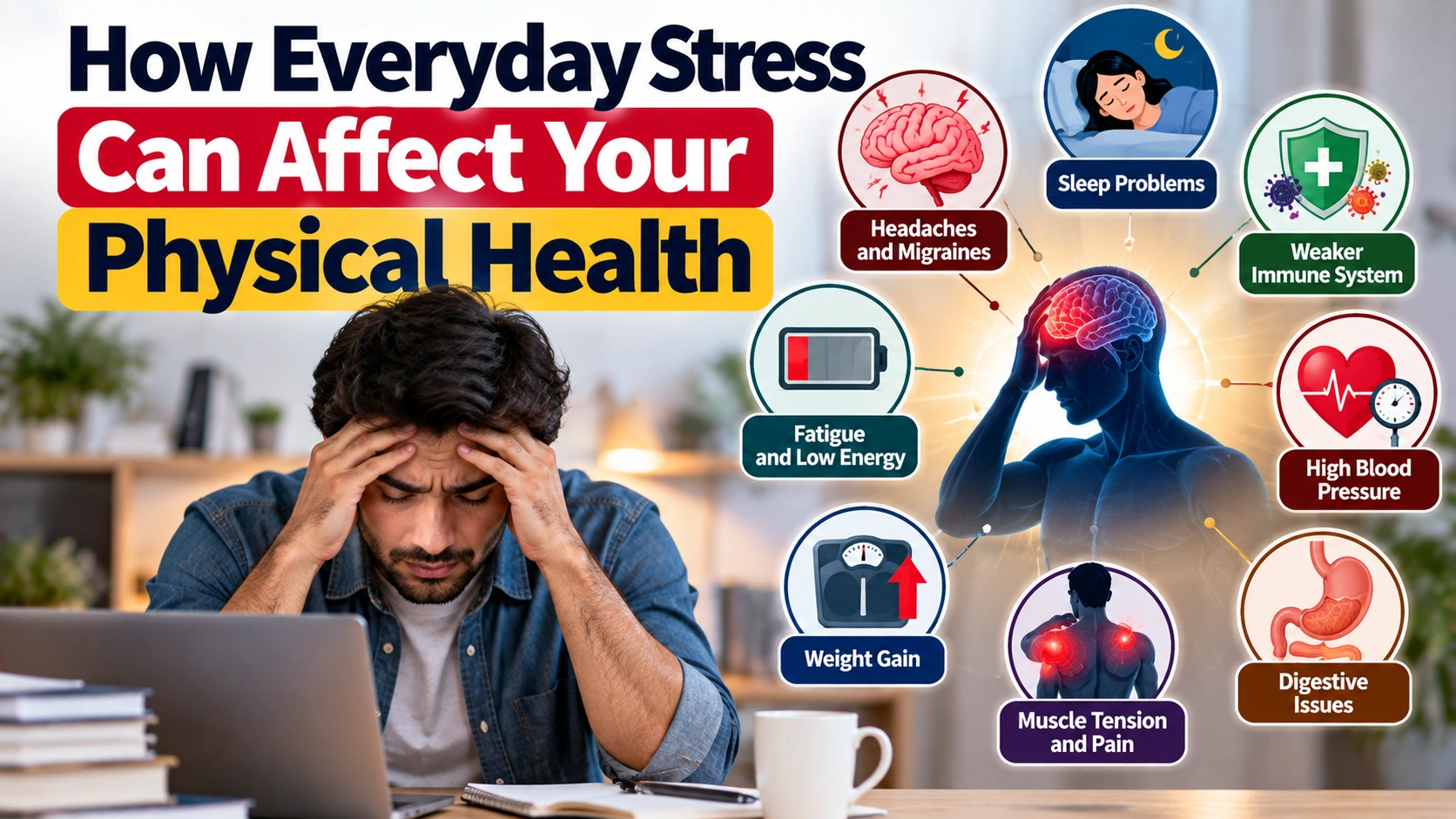
Stress is a normal part of life. Work deadlines, financial responsibilities, family concerns, traffic, social expectations, and everyday problems can all create pressure. A certain amount of short-term stress can help people respond to challenges, but ongoing stress can affect the body in several ways. When stress becomes frequent or difficult to manage, it may influence sleep, digestion, energy levels, immunity, and cardiovascular health.
Understanding Everyday Stress
Stress occurs when the body responds to a perceived challenge or threat. The nervous system releases hormones such as adrenaline and cortisol, which prepare the body to react. This response can temporarily increase heart rate, breathing rate, blood pressure, and alertness.
This reaction is useful when you need to deal with an immediate problem. However, if stressful situations continue for weeks or months, the body may remain in a heightened state of alertness. This prolonged response can gradually affect physical well-being.
Stress Can Affect Sleep
One of the most common physical effects of ongoing stress is disrupted sleep. Worrying about responsibilities or repeatedly thinking about problems can make it difficult to relax at bedtime. Some people may struggle to fall asleep, while others wake frequently during the night.
Poor sleep can then contribute to daytime tiredness, difficulty concentrating, irritability, and reduced productivity. This can create a cycle in which lack of sleep makes everyday situations feel even more stressful.
Digestive Problems and Stress
The digestive system can also respond to emotional pressure. Stress may affect how quickly food moves through the digestive tract and can contribute to symptoms such as stomach discomfort, changes in appetite, bloating, constipation, or diarrhea in some people.
People respond differently to stress, so digestive symptoms should not automatically be attributed to stress. Persistent or severe symptoms deserve appropriate medical evaluation.
Effects on the Heart and Circulation
Stress can temporarily increase heart rate and blood pressure. Repeated periods of stress may also influence behaviors that affect cardiovascular health, such as unhealthy eating, physical inactivity, smoking, or excessive alcohol consumption.
Managing stress does not replace medical treatment for high blood pressure or other cardiovascular conditions. Instead, stress management can be one part of a broader healthy lifestyle.
Stress and the Immune System
The body’s stress response interacts with the immune system. Short periods of stress may produce temporary changes in immune activity, while prolonged stress can affect immune regulation.
People experiencing ongoing stress may also neglect healthy habits such as balanced eating, regular exercise, and sufficient sleep. These lifestyle changes can further affect overall health.
Muscle Tension and Headaches
Stress frequently causes physical tension, particularly around the neck, shoulders, jaw, and upper back. Sitting for long periods while working or using digital devices can make this discomfort worse.
Some people also experience tension-type headaches during stressful periods. Taking regular movement breaks, maintaining good posture, and practicing relaxation techniques may help reduce muscle tension.
Stress Can Influence Eating Habits
Stress can affect appetite in different ways. Some people eat less when they are under pressure, while others turn to high-calorie or highly processed foods for comfort.
Eating patterns can influence energy levels, weight, blood sugar regulation, and long-term health. Planning balanced meals and keeping nutritious snacks available can make healthy choices easier during busy periods.
Healthy Ways to Manage Everyday Stress
Stress cannot always be eliminated, but it can often be managed. Regular physical activity, adequate sleep, nutritious meals, social connection, breathing exercises, hobbies, and time away from screens can all support emotional and physical well-being.
It can also help to break large tasks into smaller steps and establish realistic priorities. If stress becomes overwhelming or begins interfering significantly with daily life, speaking with a qualified healthcare or mental health professional can be appropriate.
Final Thoughts
Everyday stress may seem harmless when experienced in small amounts, but persistent stress can affect several aspects of physical health. Paying attention to sleep, digestion, muscle tension, eating habits, activity levels, and energy can help identify when stress is taking a greater toll.
Managing stress is not about avoiding every difficult situation. It is about developing healthy ways to respond to pressure and giving the body enough time to recover.