





The way people watch movies has changed dramatically over the past few decades. Going to a cinema, purchasing physical discs, or waiting for a movie to appear on television were once common parts of the viewing experience. Today, streaming platforms have made it possible to access thousands of movies from connected devices, often without leaving […]
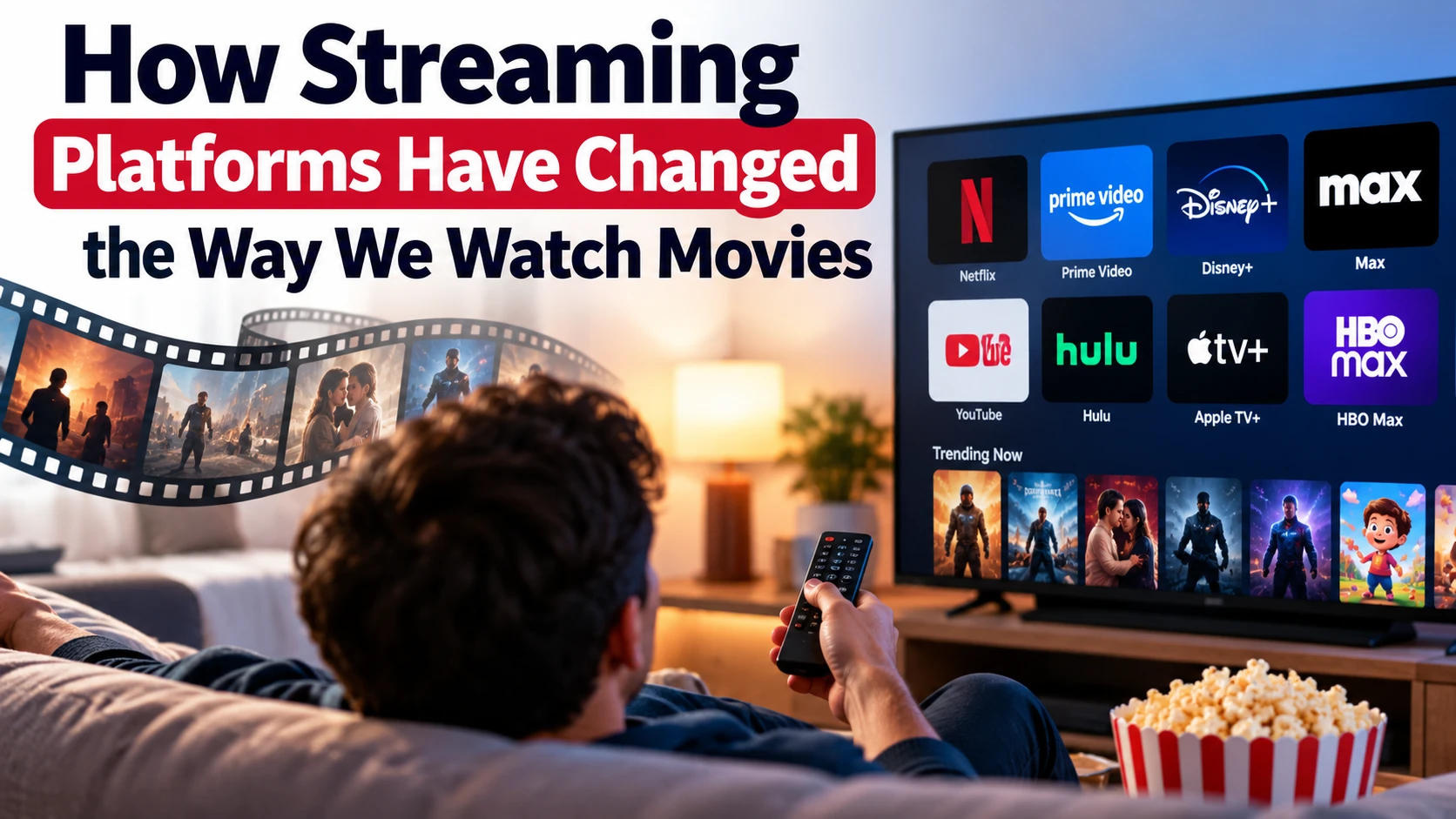
The way people watch movies has changed dramatically over the past few decades. Going to a cinema, purchasing physical discs, or waiting for a movie to appear on television were once common parts of the viewing experience. Today, streaming platforms have made it possible to access thousands of movies from connected devices, often without leaving home.
From Scheduled Viewing to On-Demand Entertainment
Traditional television required viewers to watch programs according to a fixed schedule. Missing a movie could mean waiting for another broadcast.
Streaming introduced a different model: on-demand viewing. People can choose what they want to watch and start it when convenient. This flexibility has become an important part of modern entertainment.
Viewers can watch a movie during the weekend, take a break, and continue later depending on the platform and title.
Watching Movies at Home
Streaming has made the home a major entertainment destination. A television, computer, tablet, or smartphone can provide access to movies without requiring a trip to a theater.
For families and individuals, this can make movie watching more convenient. People can choose their preferred seating, viewing time, audio settings, and sometimes subtitles or dubbing options.
However, the home viewing experience differs from a cinema, particularly in screen size, sound, atmosphere, and the communal experience of watching with a large audience.
More Choices for Viewers
One of the major changes brought by streaming is the sheer variety of available content. Depending on the service and region, audiences may find mainstream movies alongside independent productions, documentaries, international cinema, classics, and niche genres.
This wider selection can make it easier for viewers to discover films that might previously have been difficult to find.
At the same time, having thousands of choices can create another problem: deciding what to watch.
Personalized Recommendations
Many streaming services use recommendation systems to suggest movies based on viewing activity and other signals.
Instead of searching through a television guide or visiting a video store, viewers may receive personalized suggestions directly on their home screen.
These systems can help people discover new content, although recommendations can also influence which movies receive attention.
The Rise of International Content
Streaming has also made international entertainment more accessible. Movies produced in one country can reach viewers in many other markets through subtitles, dubbing, and digital distribution.
Audiences can therefore encounter different languages, storytelling traditions, filmmaking styles, and cultural perspectives.
This has contributed to greater visibility for productions that might previously have had limited international distribution.
Changes in Movie Distribution
Streaming has affected the traditional release model as well. Historically, movies often followed a sequence involving theaters, physical media, television, and later other forms of distribution.
Today, some movies have shorter gaps between theatrical and streaming availability, while others are released primarily or exclusively through digital services.
The exact release strategy varies by studio, distributor, market, and individual film.
Binge-Watching and Viewing Habits
Streaming has also influenced how people consume entertainment. Although binge-watching is particularly associated with television series, viewers can also organize movie marathons or watch multiple films around a particular theme, actor, director, or genre.
Because content is available continuously, entertainment can become more integrated into daily routines.
This convenience can also make it easy to spend more time watching than originally intended.
The Changing Role of Physical Media
DVDs and Blu-ray discs still have value for collectors and viewers who want permanent physical copies, special features, or specific editions. However, streaming has reduced the need for physical media for many casual viewers.
Digital libraries can also change over time. A movie available today may not necessarily remain available indefinitely because licensing agreements and distribution arrangements can change.
How Streaming Affects Movie Discovery
In the past, movie discovery often depended on newspaper reviews, television advertisements, cinema listings, recommendations from friends, or physical rental stores.
Today, discovery can happen through platform recommendations, social media discussions, trailers, online reviews, and trending lists.
This creates new pathways for older movies to become popular again when viewers discover them online.
Final Thoughts
Streaming platforms have changed movie watching by making entertainment more flexible, accessible, and personalized. Viewers can choose when and where to watch, explore international and independent productions, and discover films through recommendation systems.
At the same time, traditional cinemas and physical media continue to offer experiences that streaming cannot completely reproduce.
The modern movie-watching landscape is therefore not simply about replacing one format with another. It is about giving audiences more ways to experience films while changing how movies reach and engage their viewers.